
No NIB, No Listing: How Indonesia’s New OTA Rules Are Changing the Game for Property Owners
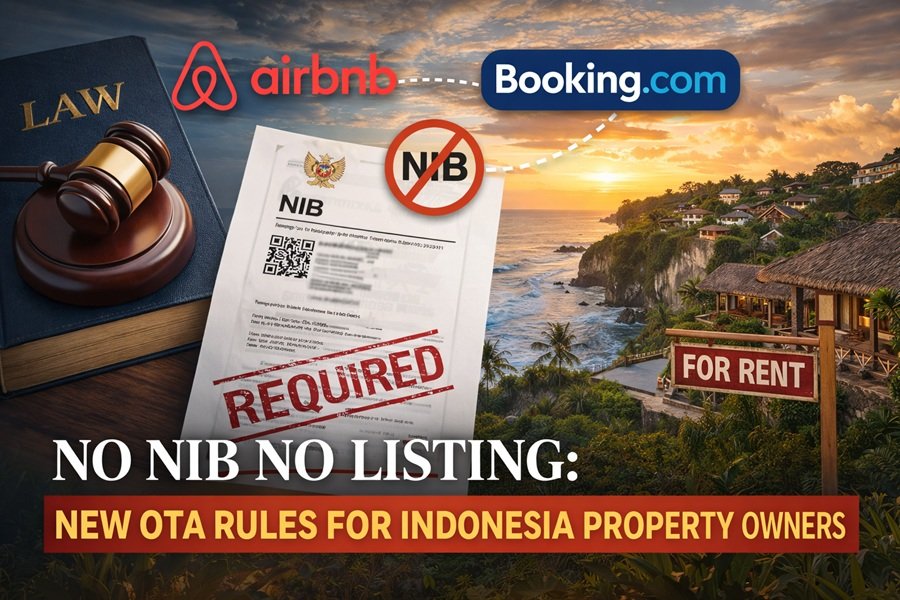
Indonesia’s fast-growing digital tourism market is entering a new phase of regulation. For years, listing a villa, guest house, or homestay on Online Travel Agencies (OTAs) was relatively simple. Today, that is no longer the case. The government is tightening compliance, and one requirement is now at the center of it all: the Business Identification Number, or NIB.
For property owners across Bali, including hotspots like Balangan Beach and Canggu, this shift is not just administrative. It directly affects visibility, bookings, and long-term business sustainability.
The New Reality: NIB Is Mandatory
The Indonesian government, through systems like Online Single Submission (OSS), has made it clear that all accommodation providers must operate legally. This means having a registered business and obtaining an NIB.
Without an NIB, property owners risk having their listings removed or rejected by major OTAs such as Airbnb, Booking.com, and Agoda.
The goal is not to restrict growth but to formalize the industry, improve tax compliance, and ensure quality standards across Indonesia’s tourism sector.
Why This Rule Matters Now
The timing of this regulation is not accidental. Bali’s tourism market has rebounded strongly, but it has also become more competitive and more scrutinized.
With global uncertainties—such as geopolitical tensions affecting travel patterns—Indonesia is focusing on strengthening its internal systems. Ensuring that all properties are legally registered creates a more stable and trustworthy environment for international travelers.
For OTA platforms, compliance is also critical. They are under increasing pressure to verify that listings meet local regulations, which is why NIB verification is becoming a standard requirement.
What Happens If You Don’t Have an NIB
For property owners who ignore this requirement, the consequences can be immediate. Listings may be suspended, hidden from search results, or permanently removed. Even if a listing remains active temporarily, it may face limited visibility, reducing booking potential significantly.
In competitive areas like Uluwatu and Seminyak, where hundreds of properties compete for attention, losing OTA exposure can mean losing the majority of bookings.
The Shift Toward Professionalization
This new rule signals a broader transformation. Bali’s accommodation sector is moving from informal rentals toward a more professional, regulated industry.
Properties that comply with licensing requirements, maintain clear documentation, and operate transparently will have a stronger position in the market. This is particularly important as traveler expectations evolve. Guests are increasingly aware of safety, legality, and service standards when choosing where to stay.
Why Bali Is Leading This Change
Bali is at the forefront of Indonesia’s tourism regulation for a reason. As the country’s most visited destination, it sets the benchmark for policy enforcement. Areas like Denpasar and the wider island rely heavily on tourism revenue, making it essential to maintain a structured and accountable system.
By enforcing NIB requirements, the government aims to create a healthier ecosystem where both large hotels and small property owners operate on a level playing field. This also helps protect Bali’s reputation as a safe and reliable destination in Southeast Asia.
What Property Owners Are Asking
Many property owners are now asking practical questions. What exactly is an NIB? Is it difficult to obtain? Will it affect taxes? An NIB is essentially a unique business identification number issued through the OSS system. It acts as a legal foundation for operating a business in Indonesia, including accommodation rentals.
The process of obtaining an NIB is relatively straightforward and can be done online. However, it requires proper documentation, including identity verification and business classification.
Yes, having an NIB means entering the formal system, which may involve tax obligations. But it also unlocks benefits, including legal protection, access to financial services, and eligibility to list on major OTA platforms.
The Opportunity Behind the Regulation
While some property owners see this rule as a barrier, others recognize it as an opportunity.
With stricter requirements, the number of unregistered properties on OTAs is likely to decrease. This reduces competition from informal operators and increases visibility for compliant listings. For those who adapt early, this can lead to stronger occupancy rates, better pricing power, and improved credibility with guests.
The Future of OTA Listings in Indonesia
The introduction of mandatory NIB for OTA listings marks a turning point for Indonesia’s property rental market. It signals a move toward transparency, professionalism, and long-term sustainability. For Bali property owners, the message is clear: compliance is no longer optional—it is essential.
Those who embrace the change will not only stay visible on platforms like Airbnb and Booking.com but will also be better positioned to grow in an increasingly competitive global market. In a digital world where trust drives bookings, having an NIB is no longer just paperwork. It is your ticket to staying in the game.
Bali Villas Articles
- Bali International Hospital Hub with Bali Villas in Sanur
- Bali Visa Guide 2025
- Romantic Bali Villa Getaways
- Wellness Villas in Bali: Health & Nature Inspired Vacation Homes
- Bali Airport Prepares for Hantavirus Concerns: What Tourists Need to Know in 2026
- Why Foreigners in Bali Are Selling Villas Cheaply Due to NIB and OTA Rules
- Best Places to Build a Villa in Bali
- ROI Realities: Investing in Bali Villas in 2026
- Why Bali Villa Occupancy Is Down: Oversupply, Pricing & Global Travel Costs
- Canggu Bali: Full of Tourists and Villa Developments Even in Low Season
- Seminyak Beach Bali — Still a Luxury Destination Amid Erosion Challenges
- Why Jimbaran Is Bali’s New Luxury Villa Hotspot in 2025 | Bali Villas Guide
- Bali Villa Registration Gap: The Hidden Crisis Behind Unlicensed Rentals
- Amed Villas Development | New Bali Tourism & Villa Investment Destination
- Overtourism, Regulation & Crime: Bali Villa Owners Facing New Challenges
- Bali Diving Adventure | Explore Bali’s Underwater World Near Luxury Villas
- Bali Trekking Around Bali Hidden Trails and Stay in Scenic Bali Villas
- New OTA Rules Indonesia: Property Listings Must Have NIB in 2026
- Kelingking Beach Nusa Penida Glass Lift Controversy