
The Closure of Suwung Landfill and Its Impact on Bali’s Villa Industry
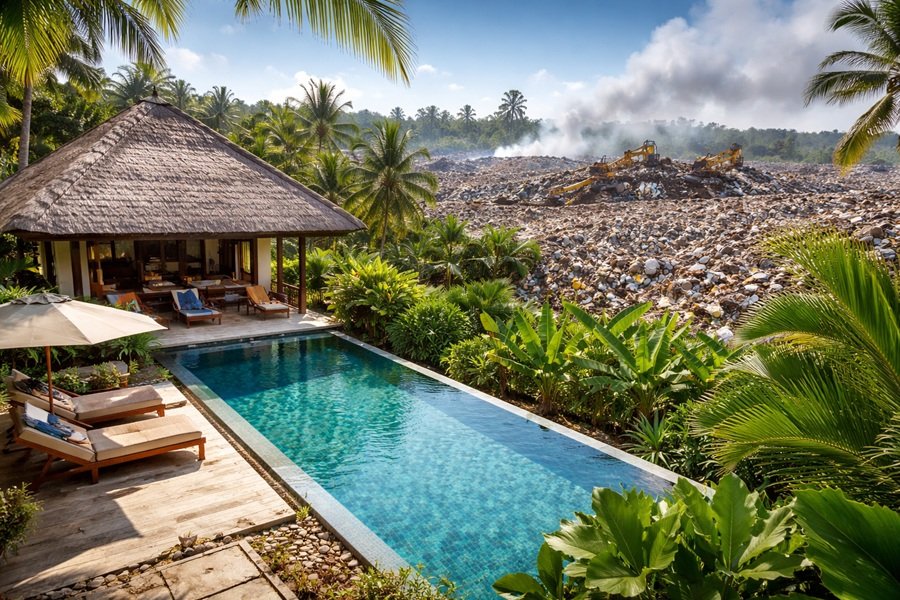
The planned closure of Suwung Landfill, Bali’s largest waste disposal site, marks a significant turning point in the island’s environmental management and tourism landscape. For decades, TPA Suwung has served as the final destination for waste generated across the Sarbagita area, including Denpasar, Badung, Gianyar, and Tabanan—regions that also host the highest concentration of Bali villas. Its closure forces a fundamental shift in how waste is handled, with direct and indirect implications for villa owners, operators, and investors.
While the decision reflects growing environmental awareness and compliance with national waste management regulations, it also exposes long-standing structural challenges. For Bali’s villa sector, which depends heavily on cleanliness, aesthetics, and sustainability perception, the transition period presents both risks and new opportunities.
Why Suwung Landfill Is Being Closed
Suwung Landfill has long been criticized for operating beyond capacity and relying on open dumping practices that pose environmental and health risks. Methane emissions, leachate contamination, and proximity to mangrove ecosystems have raised concerns among environmental groups and policymakers alike.
The closure aligns with Indonesia’s broader push toward modern waste treatment systems, encouraging waste reduction at source, recycling, composting, and decentralized processing. However, moving away from a centralized landfill model is not without disruption—especially in a tourism-driven economy like Bali.
Immediate Effects on Waste Collection and Tourism Areas
One of the most visible impacts following the landfill closure is disruption in waste collection logistics. When a central disposal point disappears, the entire chain—collection, transport, sorting, and processing—must adapt quickly. During transition phases, delays in waste pickup and temporary accumulation are common risks.
For villa areas such as Seminyak, Canggu, Ubud, Sanur, and Jimbaran, even short-term waste management issues can affect guest comfort. Overflowing bins, unpleasant odors, or visible waste piles can undermine the premium image many Bali villas work hard to maintain. In a highly competitive accommodation market, guest reviews and online ratings are extremely sensitive to cleanliness and environmental conditions.
Operational Challenges for Villa Owners
From an operational standpoint, the closure of Suwung may increase costs and complexity for villa businesses. Waste transport routes may become longer, disposal fees may rise, and private waste management services may adjust pricing to reflect higher demand.
Villa operators who previously relied on municipal systems may now need to seek alternative solutions, including private collectors, community-based waste facilities, or on-site processing. This transition requires planning, staff training, and in some cases, capital investment.
Additionally, regulations related to waste separation and reporting are likely to be enforced more strictly. Villas that fail to comply may face administrative sanctions or reputational damage, especially as sustainability becomes a key concern among international travelers.
Environmental Risks and Location Value
Bali’s villas are closely tied to natural surroundings—rice fields, rivers, beaches, and coastal cliffs. Improper waste handling during the post-Suwung transition could increase pollution risks, particularly in waterways that flow toward popular beaches.
For villa investors, environmental degradation directly affects property value. A villa near a polluted river or littered access road loses appeal, regardless of architectural quality. Therefore, effective waste management is no longer just an operational issue—it is a long-term asset protection strategy.
A Turning Point Toward Sustainable Villa Operations
Despite the challenges, the closure of Suwung Landfill can act as a catalyst for positive change within the villa industry. It accelerates the shift toward decentralized and sustainable waste solutions that many eco-conscious villas have already begun to adopt.
Key strategies include:
On-Site Waste Separation
By separating organic, recyclable, and residual waste at the source, villas can significantly reduce the volume sent for final disposal. This also makes collaboration with recycling partners more efficient.
Composting Organic Waste
Food scraps and garden waste represent a large portion of villa-generated waste. Composting systems—ranging from simple compost bins to more advanced solutions—can turn waste into fertilizer for villa landscaping, reducing disposal costs and supporting greener operations.
Collaboration with Local Waste Facilities
Working with local TPS3R or community-based waste processing centers helps distribute the burden of waste management while supporting local employment and circular economy initiatives.
Staff and Guest Education
Sustainable waste management only works when staff and guests are involved. Clear instructions, signage, and simple explanations can encourage participation without affecting guest comfort.
Sustainability as a Marketing Advantage
The Bali villa market is increasingly influenced by environmentally conscious travelers. Guests are no longer just asking about private pools and ocean views—they want to know whether their accommodation aligns with responsible tourism values.
Villas that successfully adapt to the post-Suwung era can leverage sustainability as a strong branding tool. Communicating waste reduction efforts, composting programs, or zero-plastic initiatives adds value to the guest experience and differentiates a villa from competitors.
In the long term, sustainability-driven villas are also more resilient to regulatory changes and shifts in traveler preferences.
Policy Uncertainty and Industry Adaptation
The closure of Suwung Landfill has sparked debate about readiness and infrastructure availability. Some stakeholders argue that alternative facilities are not yet fully prepared, while others see the closure as a necessary push toward long-overdue reform.
For villa owners, staying informed is crucial. Engaging with local associations, monitoring new regulations, and participating in community initiatives can help businesses adapt more smoothly and avoid last-minute operational crises.
Long-Term Implications for Bali Villas
Looking ahead, waste management will become an integral part of villa feasibility studies and operational planning. Investors may prioritize locations with access to local waste processing facilities or communities with strong environmental governance.
Villas that integrate sustainability from the design stage—such as waste sorting areas, compost zones, and eco-friendly supply chains—will be better positioned for long-term success.
Conclusion
The closure of Suwung Landfill represents more than the end of a waste disposal site—it signals a transformation in how Bali manages the environmental footprint of its tourism industry. For the villa sector, the transition brings short-term challenges but also long-term opportunities.
Villa owners who respond proactively by adopting sustainable waste practices can protect their operations, enhance guest satisfaction, and strengthen their market position. In a destination where nature is the core attraction, responsible waste management is no longer optional—it is essential to the future of Bali villas.
Bali Villas Articles
- Bali International Hospital Hub with Bali Villas in Sanur
- Bali Visa Guide 2025
- Romantic Bali Villa Getaways
- Wellness Villas in Bali: Health & Nature Inspired Vacation Homes
- Bali Airport Prepares for Hantavirus Concerns: What Tourists Need to Know in 2026
- Why Foreigners in Bali Are Selling Villas Cheaply Due to NIB and OTA Rules
- Best Places to Build a Villa in Bali
- ROI Realities: Investing in Bali Villas in 2026
- Why Bali Villa Occupancy Is Down: Oversupply, Pricing & Global Travel Costs
- Canggu Bali: Full of Tourists and Villa Developments Even in Low Season
- Seminyak Beach Bali — Still a Luxury Destination Amid Erosion Challenges
- Why Jimbaran Is Bali’s New Luxury Villa Hotspot in 2025 | Bali Villas Guide
- Bali Villa Registration Gap: The Hidden Crisis Behind Unlicensed Rentals
- Amed Villas Development | New Bali Tourism & Villa Investment Destination
- Overtourism, Regulation & Crime: Bali Villa Owners Facing New Challenges
- Bali Diving Adventure | Explore Bali’s Underwater World Near Luxury Villas
- Bali Trekking Around Bali Hidden Trails and Stay in Scenic Bali Villas
- New OTA Rules Indonesia: Property Listings Must Have NIB in 2026
- Kelingking Beach Nusa Penida Glass Lift Controversy